
Ave Insights
Train smarter. Play longer.
Straight answers on speed, strength, injury prevention, nutrition and the mental game — from the coaches at The Ave.
Written for athletes and the parents who support them.
Start Here
Browse by topic
Speed & Agility
Strength
Injury Prevention
Nutrition & Recovery
Mental Game
Want a plan built for your athlete?
Our coaches will build it around their sport, age and goals.
Latest Articles
Fresh from the coaches
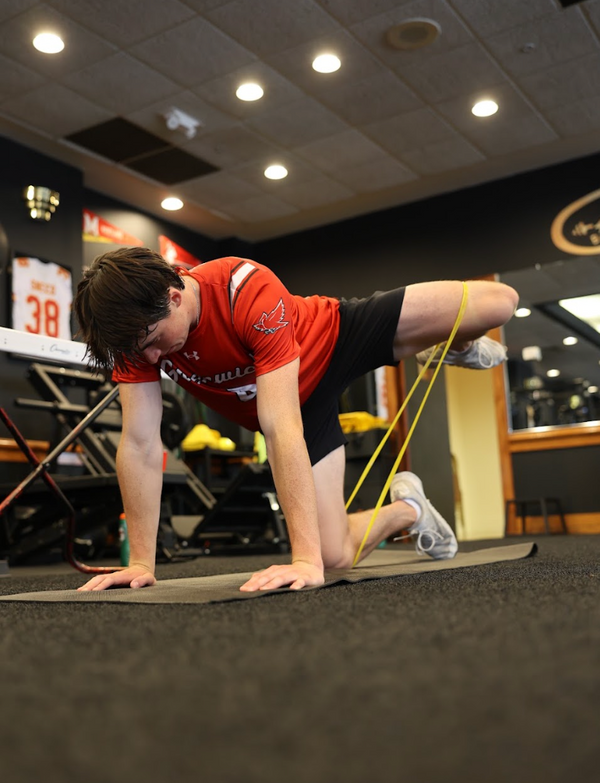
Should My Child Play Through Pain? Knowing the Difference Between Soreness and Injury
Every athlete experiences discomfort from time to time. After a hard practice, a strength session, or a weekend tournament, it's normal to feel tired and sore.
But how do you know when soreness is simply part of training and when it could be something more serious?
As parents, understanding the difference can help keep your athlete healthy, confident, and competing for years to come.
What Is Normal Muscle Soreness?
Muscle soreness is a natural response to training.
It usually appears 12 to 48 hours after activity and gradually improves over the next few days.
Normal soreness often feels like:
- Achy or tight muscles
- Mild stiffness
- Discomfort on both sides of the body (for example, both legs after a workout)
- Improvement with light movement
Soreness means the body is adapting to training, not that something is wrong.
When Pain Is a Warning Sign
Pain is different.
Pain is your body's way of saying something needs attention.
Watch for:
- Sharp or stabbing pain
- Swelling around a joint
- Pain that gets worse instead of better
- Limping or changing the way your athlete moves
- Pain that continues during everyday activities
- Difficulty bearing weight
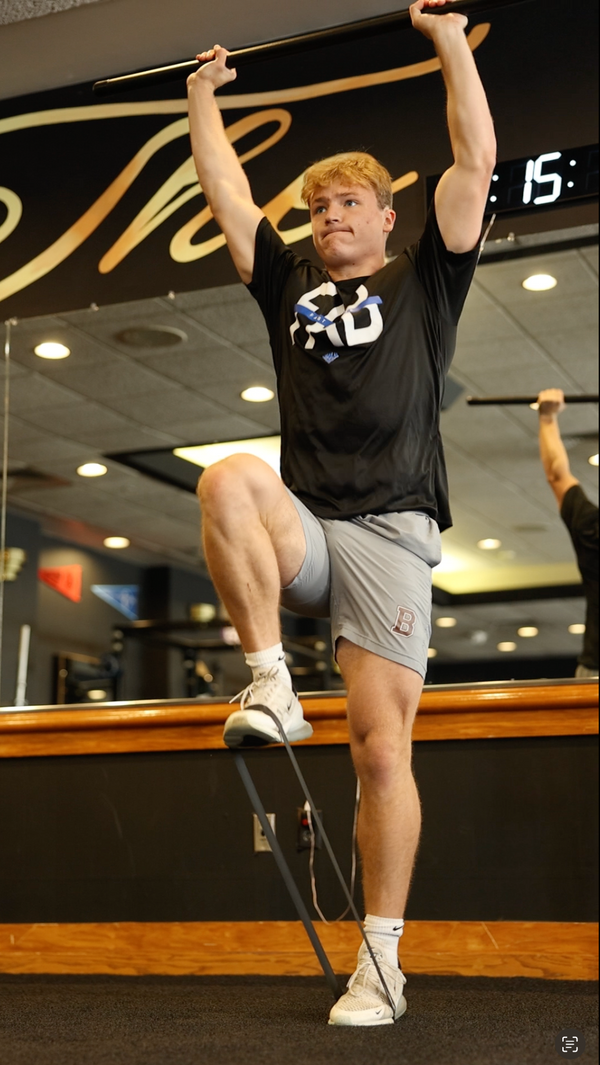
Recovery Nutrition | What to Eat After Training and Why It Matters
An athlete who trains hard and recovers poorly is doing the work and leaving the results on the table.
Food is the single biggest recovery lever most athletes ignore.
What the Body Needs After Hard Training
Three things, in order:
Fluids and electrolytes — replacing what was lost in sweat
Carbohydrates — refilling the fuel that powered the session
Protein — supplying the raw material to repair muscle tissue
Fat is fine, but too much of it right after training slows everything down. Keep the first meal after a hard session relatively lean.
The Practical Version
Eat within about 60 minutes of finishing a hard session
Aim for a real meal — carbs plus a solid protein source
If a full meal isn't possible, a shake, chocolate milk, or a sandwich bridges the gap
Keep drinking after training, not just during
The Recovery Factors Food Can't Replace
Nutrition supports recovery. It doesn't substitute for:
Sleep. Eight to ten hours for developing athletes. This is the highest-return recovery tool there is.
more
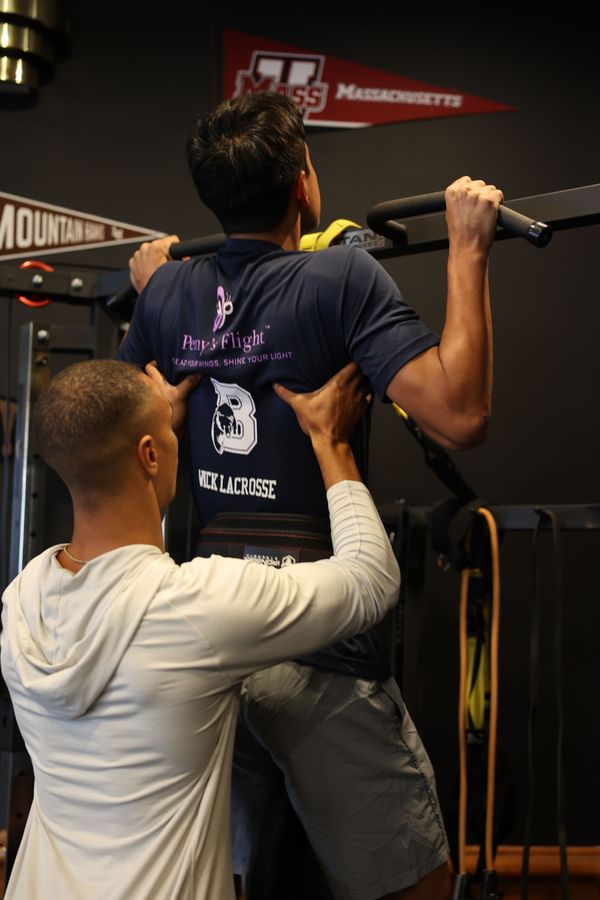
August Training for Youth Athletes | Preparing for Fall Sports
For many young athletes, August marks the transition from summer to a new sports season. Soccer fields fill up, football practices begin, cross-country teams hit the trails, and volleyball gyms come back to life.
While it's exciting to get back into competition, August is about more than just showing up for the first practice.
It's about preparing your body to perform at its best.
The work athletes put in before the season begins often determines how they perform once games start.
Practice Isn't the Same as Training
A common misconception is that once team practices begin, athletes no longer need performance training.
The reality is that practices are designed to improve sport skills, develop team chemistry, and prepare for competition.
Performance training serves a different purpose. It helps athletes develop the physical qualities that allow them to practice and compete at a higher level.
These qualities include:
- Strength
- Speed
- Power
- Balance
- Mobility
- Stability
When athletes continue building these areas, they become more resilient throughout the season.
more
Youth Athlete Nutrition | Why Most Young Athletes Are Under-fueled
Parents usually ask us about training first. But the athlete who trains hard and eats like a middle schooler on a snack schedule isn't going to progress — no matter how good the program is. The most common nutrition problem we see in young athletes isn't junk food. It's not eating enough. What Under-fueling Actually Looks Like Under-fueling rarely looks dramatic. It looks ordinary:
- Skipping breakfast before a morning practice
- One real meal a day plus scattered snacks
- Training after school on a granola bar
- Eating enough for a normal teenager, not for an athlete training 10+ hours a week
An athlete's body has two jobs: run the daily business of growing, and pay for training on top of it. When food doesn't cover both, growth and recovery lose. What It Costs the Athlete Chronically under-fueled athletes tend to show:
- Slower recovery between sessions
- Stalled strength and speed progress
- Frequent low-grade injuries and nagging soreness
- Poor focus late in practices and games
- Higher rates of illness during season
- Mood swings and irritability that get blamed on "being a teenager"
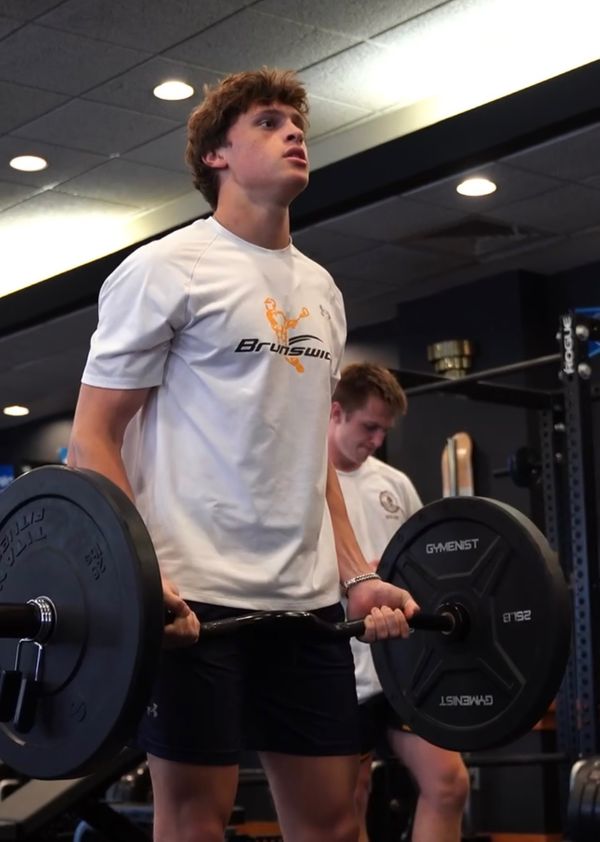
Mental Toughness in Youth Athletes | Why It's Trained, Not Born
Mental Toughness in Youth Athletes | Why It's Trained, Not Born
Every coach has seen it. Two athletes with similar physical ability — but one pushes through adversity, and one shuts down. The difference isn't talent. It's mental toughness.
And the good news: it's trainable.
What Mental Toughness Actually Is
Mental toughness isn't about being emotionless or ignoring struggle. It's the ability to stay focused, stay competing, and keep executing — even when things get hard.
It looks like:
- Finishing strong when the body wants to quit
- Bouncing back after a mistake without spiraling
- Competing at full effort even when the score isn't in your favor
- Staying coachable under pressure
Why It Matters More Than Most Parents Realize
Physical tools get athletes to the game. Mental toughness keeps them there.
Research consistently shows that athletes with stronger mental resilience:
- Perform better under pressure
- Recover faster from setbacks
- Learn new skills more quickly
- Stay with sports longer
- Lead better in team environments
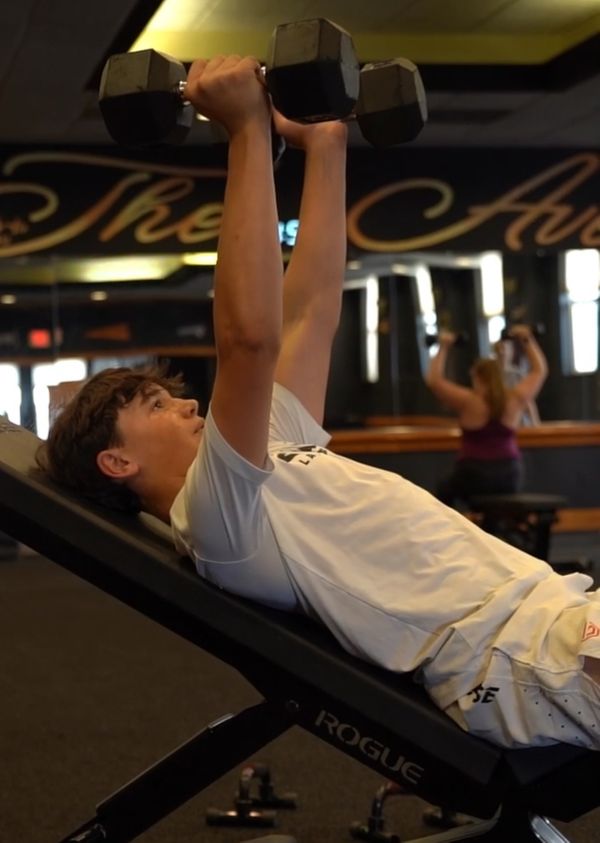
How Young Athletes Improve Faster | Training & Practice Habits
Why Some Athletes Improve Faster Than Others (It’s Not Talent)
Every team has them.
The athletes who seem to improve faster than everyone else. They get stronger, move better, and perform with more confidence over time.
It’s easy to assume it’s talent.
But most of the time, it’s not.
It’s how they approach training and practice.
Improvement Comes From Intentional Work
Not all practice is equal.
Some athletes go through the motions. Others train with purpose.
Athletes who improve faster tend to:
- Focus on technique
- Stay locked in during drills
- Ask questions
- Apply feedback immediately
- Take every rep seriously
They don’t just show up — they engage.
They Embrace Repetition (The Right Way)
Repetition builds skill — but only when done correctly.
Top athletes:
- Repeat movements with focus
- Prioritize quality over speed
- Make small adjustments each rep
- Stay patient through the process
They understand that progress comes from stacking small wins.
more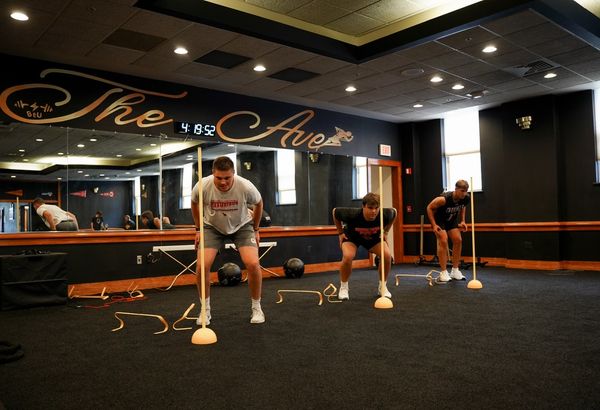
Agility Training for Youth Athletes | Speed and Coordination Development
The Role of Agility in Youth Athletic Development
Speed gets the attention. Strength gets the highlight reel. But agility is what separates good athletes from great ones.
Agility is the ability to start, stop, and change direction quickly — while staying in control. It shows up in every sport, every practice, and every game situation.
What Agility Actually Is
Agility isn't just moving fast. It's moving fast with purpose. It combines:
- Reaction time
- Footwork and coordination
- Body control at high speed
- Decision-making under pressure
Together, these qualities allow athletes to stay a step ahead — and stay on their feet.
Why It Matters for Young Athletes
Developing agility early gives athletes:
- Better coordination in chaotic situations
- Faster reaction to opponents and the ball
- Improved confidence moving in all directions
- A lower risk of non-contact injuries
- A foundation that carries into every sport they play
The athletes who look "naturally quick" often just developed these movement patterns earlier.
more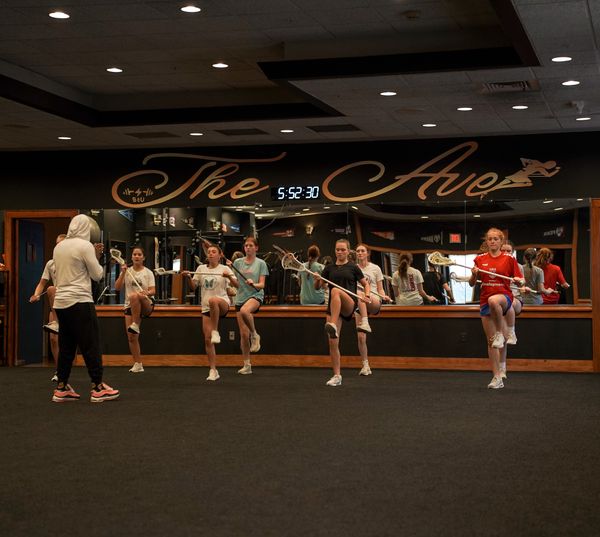
Youth Coordination Training | Improve Athletic Performance
Why Coordination Is the Missing Piece in Youth Athletic Development
When people think about improving athletic performance, they usually focus on strength or speed.
But there’s another factor that often gets overlooked:
Coordination.
Coordination is what allows athletes to control their body, react quickly, and move efficiently in game situations.
Without it, strength and speed don’t fully translate.
What Is Coordination in Sports?
Coordination is the ability to:
- Control body movements
- Sync upper and lower body
- React to changing situations
- Maintain balance while moving
- Adjust quickly under pressure
It’s what makes athletes look smooth, controlled, and “naturally athletic.”
Why Coordination Matters for Young Athletes
Young athletes are still learning how to move.
When coordination is developed early, athletes:
- Learn skills faster
- Improve balance and control
- Reduce awkward or inefficient movement
- Perform better in games
- Lower their risk of injury
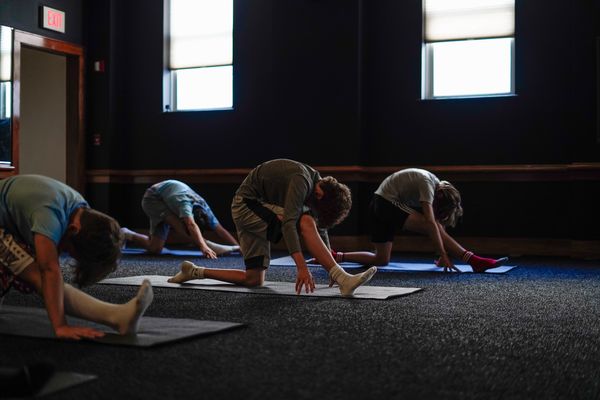
Why Most Young Athletes Are Warming Up Wrong (And What to Do Instead)
Why Most Young Athletes Are Warming Up Wrong (And What to Do Instead)
Before games or practices, most young athletes go through the motions:
A quick jog, a few stretches, maybe a couple half-speed drills.
Then they jump straight into full-speed activity.
The problem?
That’s not a real warm-up — and it leaves athletes unprepared.
What a Warm-Up Is Actually Meant to Do
A proper warm-up should:
- Prepare muscles for movement
- Activate key muscle groups
- Improve mobility
- Increase heart rate gradually
- Reinforce movement patterns
It’s not just about getting loose — it’s about getting ready to perform.
Why Poor Warm-Ups Lead to Problems
When athletes skip or rush their warm-up, they’re more likely to:
- Feel stiff or slow
- Move inefficiently
- Increase injury risk
- Lack explosiveness early
The body needs time and structure before high-intensity movement.
What an Effective Warm-Up Looks Like
A great warm-up is progressive and intentional.
more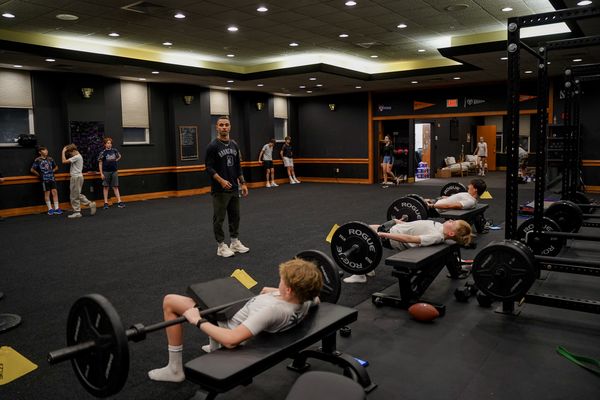
What Coaches Look for in Athletes | Youth Sports Development
What Coaches Really Look for in Athletes (It’s Not Just Talent)
Many athletes and parents believe that talent is what earns playing time.
Speed, strength, and skill matter — but they’re only part of the equation.
Ask any coach, and you’ll hear the same thing:
The athletes who stand out are the ones coaches can trust.
1. Effort and Consistency
Coaches notice who shows up ready to work every day.
Athletes who:
- Give effort in every drill
- Stay engaged during practice
- Compete even when tired
- Show up consistently
…separate themselves quickly.
Effort is one of the few things every athlete can control — and coaches value it.
2. Coachability
Coachability is one of the most important traits in youth sports.
Coachable athletes:
- Listen and apply feedback
- Make adjustments quickly
- Ask questions
- Stay positive when corrected
Athletes who resist feedback often limit their own growth.
3. Body Language and Attitude
Coaches pay attention to how athletes respond to adversity.
moreParent Guide to Youth Sports | Supporting Athletes on Game Day
How Parents Can Positively Impact Game-Day Performance
Game day is where all the training comes together.
But for young athletes, performance isn’t just physical — it’s heavily influenced by their environment. And one of the biggest influences?
Parents.
The way parents act, react, and communicate on game day can either build confidence — or create pressure.
The Goal: Support, Not Pressure
Every athlete wants to perform well. They don’t need added pressure from the sidelines.
What they need is:
-
Encouragement
-
Stability
-
Confidence
-
Trust
When athletes feel supported instead of judged, they play freer and perform better.
What Helps Athletes on Game Day
Simple behaviors make a big impact:
-
Let coaches coach
-
Focus on effort, not outcomes
-
Stay positive during mistakes
-
Be consistent in your support
-
Keep body language calm and encouraging
Athletes notice everything — even when you think they don’t.
more
Sleep for Youth Athletes | The Most Important Recovery Tool
Why Sleep Is the Most Overlooked Performance Tool for Young Athletes
Training and nutrition get most of the attention in youth sports, but one of the biggest performance factors is often ignored: sleep.
Young athletes are growing, learning, and training all at once. Without proper sleep, their bodies simply can’t keep up.
Why Sleep Matters for Performance
Sleep supports:
-
Muscle recovery
-
Reaction time
-
Focus and decision-making
-
Hormone regulation
-
Injury resistance
Athletes who consistently sleep well perform better and recover faster than those who don’t.
How Lack of Sleep Affects Athletes
Not getting enough sleep can lead to:
-
Slower sprint speed
-
Poor coordination
-
Reduced strength
-
Increased injury risk
-
Lower motivation
-
Mood swings
Even one bad night of sleep can affect performance the next day.
How Much Sleep Do Young Athletes Need?
Most youth athletes need:
moreYouth Speed Training | How to Get Faster in Sports
Speed Is a Skill: Why Fast Athletes Train Differently
Many people think speed is something athletes are simply born with. Either you’re fast — or you’re not.
But in reality, speed is a trainable skill.
Young athletes who learn how to sprint, stop, and change direction properly become faster, more confident, and more durable on the field or court.
Why Speed Training Matters in Youth Sports
Speed shows up everywhere:
Beating an opponent to the ball
Closing space on defense
Creating separation
Recovering after mistakes
But speed isn’t just running fast. It includes:
Acceleration
Deceleration
Change of direction
Reaction time
These elements must be trained intentionally.
What Youth Speed Training Should Include
Effective speed training focuses on:
Proper sprint mechanics
Explosive first steps
Arm and leg coordination
Lateral movement
Braking and re-acceleration
more

Consistency vs Intensity in Youth Training | Athlete Development
After a break or reset, many athletes feel pressure to “go all in” — harder workouts, longer sessions, more training days.
But when it comes to youth athletic development, consistency matters far more than intensity.
Athletes who train regularly, with purpose, make more progress than those who train hard only when motivation is high.
The Problem With All-or-Nothing Training
Youth athletes often fall into one of two traps:
-
Training extremely hard for short bursts
-
Stopping completely when schedules get busy
Both approaches limit progress and increase injury risk.
High-intensity training without consistency leads to:
-
Poor movement quality
-
Excess fatigue
-
Increased injury risk
-
Burnout
What Consistent Training Actually Builds
Consistent performance training develops:
-
Strong movement patterns
-
Progressive strength gains
-
Speed and coordination
-
Mental resilience
-
Confidence through routine
Youth Athlete Nutrition | How Parents Can Support Performance
How Parents Can Support Young Athletes Through Proper Nutrition
Training, practice, and games are only part of the performance equation. What athletes eat every day plays a major role in how they feel, recover, and compete.
For young athletes, nutrition isn’t about dieting or restriction — it’s about fueling growth, development, and performance. Parents play the most important role in shaping these habits.
Why Nutrition Matters for Youth Athletes
Young athletes need more energy than most adults because they are:
-
Growing physically
-
Training frequently
-
Attending school all day
-
Recovering from practices and games
Without proper fuel, athletes may experience:
-
Low energy
-
Poor focus
-
Slow recovery
-
Higher injury risk
-
Decreased performance
Good nutrition supports both health and athletic development.
The Three Building Blocks: Carbs, Protein & FatsCarbohydrates = Energy
Carbs fuel practices and games.
more
From Holiday Reset to Spring Ready: How Athletes Should Ramp Back Up
From Holiday Reset to Spring Ready: How Athletes Should Ramp Back Up
The holiday season often brings a much-needed reset for youth athletes. Schedules slow down, recovery improves, and both the body and mind get a break.
But as spring sports approach, it’s time to shift gears.
The key isn’t jumping straight back into full intensity — it’s ramping up the right way.
Why the Post-Holiday Transition Matters
Many spring sport injuries happen early in the season, not because athletes are “out of shape,” but because their bodies aren’t prepared for sudden increases in workload.
After time away, athletes need to:
Rebuild strength and coordination
Reintroduce speed and change of direction
Restore movement quality
Prepare joints and tissues for sport demands
A smart transition reduces injury risk and improves performance once games begin.
Step 1: Rebuild the Foundation
Before focusing on conditioning or sport-specific drills, athletes should re-establish their athletic base.
This includes:
Full-body strength training
more
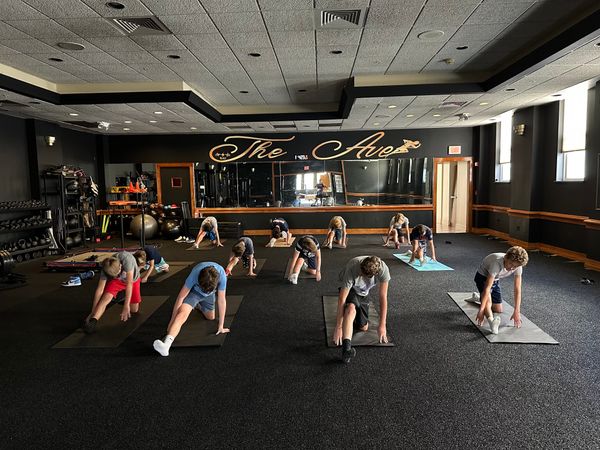
Training During the Holiday Season | Why Rest and Light Training Matter
The holiday season is a busy time for families and athletes. Between school breaks, travel, celebrations, and packed schedules, training routines often get disrupted.
For many parents and athletes, this leads to one big question:
Should athletes keep training during the holidays — or take time off?
The answer is balance, not extremes.
Why the Holidays Are a Natural Reset for Athletes
Most youth athletes go nonstop throughout the year. School sports, club teams, practices, games, and tournaments rarely slow down.
The holiday season creates a natural opportunity to:
-
Reduce physical and mental fatigue
-
Let the body recover from long seasons
-
Reset movement quality
-
Rebuild motivation
-
Address small aches before they become injuries
This doesn’t mean athletes should stop moving completely — but it does mean training should look different.
The Value of Rest for Youth Athletes
Rest is not a setback. It’s a performance tool.
Proper rest helps:
-
Muscles repair and grow stronger
more
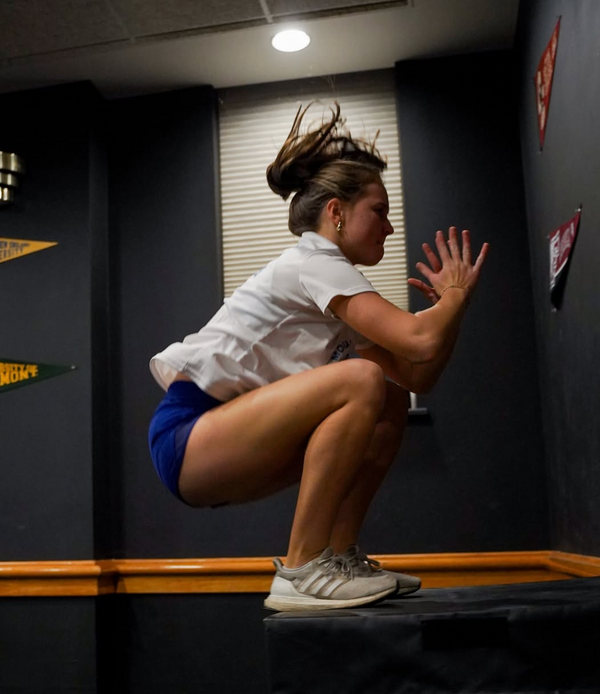
The Truth About Sport-Specific Training | What Actually Works
“Sport-specific training” has become a buzzword in youth sports. Parents often hear that their child needs workouts tailored to a specific sport like soccer, basketball, lacrosse, or football.
But here’s the truth:
Most sport-specific training is not what young athletes actually need.
Why?
Kids and teens are still developing the foundational athletic qualities that matter most for long-term success:
-
Strength
-
Coordination
-
Speed
-
Balance
-
Body control
Without these fundamentals, even the most detailed sport-specific workouts will deliver limited results.
This is why true youth performance training focuses on building complete athletic development before layering on sport skills.
What Actually Improves Sports Performance
The most effective youth athletic training programs focus on:
-
Strength development
-
Linear and lateral speed mechanics
more
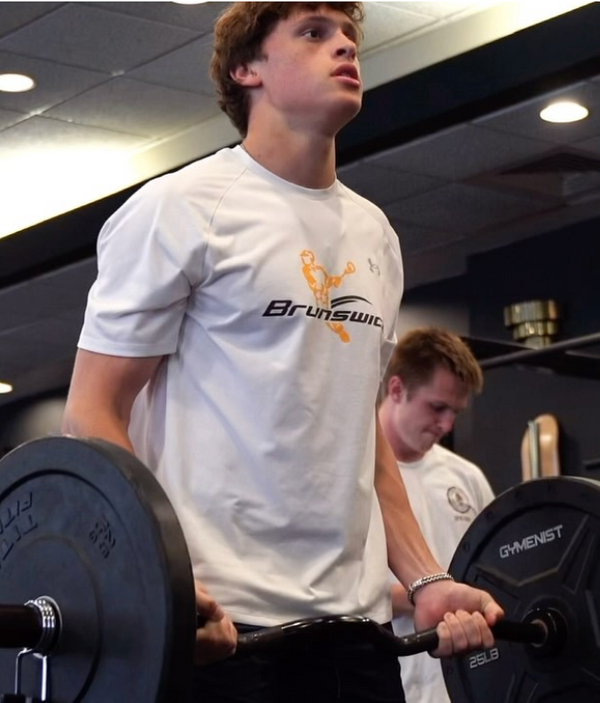
Strength Training for Teen Athletes | Building Athletic Power Safely
Teen athletes face real competition—varsity tryouts, bigger and stronger opponents, and college recruiting. Strength becomes the difference-maker. At The Ave - Greenwich, we develop teen athletes through safe, structured, scientifically-progressive strength programs designed for ages 13–18.
Here’s how we build powerful, resilient, confident teen athletes.
1. Why Teen Athletes Need Strength Training
Strength training improves:
• Power for running, jumping, and hitting
• Injury resistance
• Speed and explosiveness
• Athletic performance across all sports
• Bone density and connective tissue strength
• Confidence and mental toughness
This is the age where true muscular growth (hypertrophy) becomes possible—making strength training essential.
2. Our Safe, Age-Specific Progression Model
Ages 13–14 (Early Puberty)
• Master movement patterns
• Begin controlled loading
• Improve tendon + bone strength
• Build mechanics before intensity
Ages 15–16 (Mid Puberty)
• Progressive loading
• Strength development
more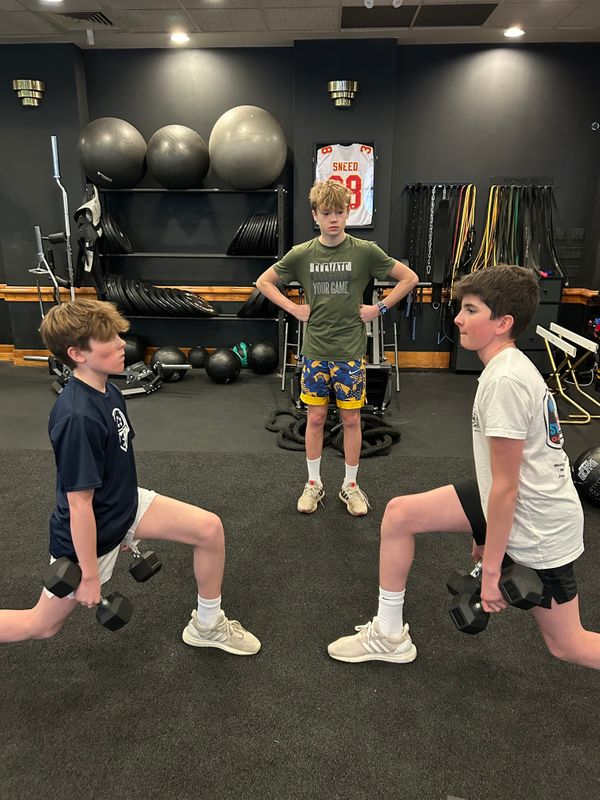
Youth Strength Foundations for Ages 8–12 | Building Athletic Power Safely Before Puberty
Before puberty, young athletes develop at a rapid rate. This age range (8–12) is considered the Golden Window for long-term athletic development. At The Ave in Greenwich, we focus on building coordination, movement quality, bone density, tendon/fascia strength, and neuromuscular control—NOT muscle hypertrophy, which is not physiologically possible pre-puberty.
Here’s what parents need to know about safe, effective strength foundations for youth athletes.
1. What Actually Improves Before Puberty (No Muscle Growth Yet)
Before puberty, athletes cannot significantly increase muscle size due to low testosterone and hormonal activity.
BUT they can dramatically improve:
• Neuromuscular efficiency (brain–muscle communication)
• Coordination and body control
• Movement mechanics and balance
• Bone density
• Tendon stiffness and fascial elasticity
• Speed, agility, and reactivity
• Landing and deceleration skills (injury prevention)
This is why ages 8–12 are crucial for long-term athletic success.
more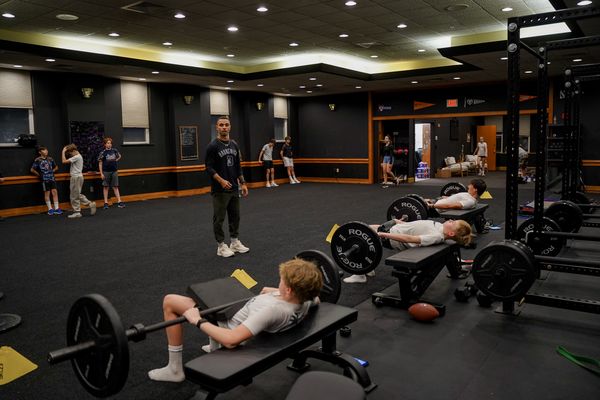
Off-Season Training for Youth Athletes | Why It Matters
Off-Season Training for Youth Athletes | Why It Matters
The off-season is where champions are built. While some athletes rest, the ones who dominate next season are in the gym developing strength, speed, and sport-specific skills. Here’s why off-season training at The Ave gives youth athletes a true competitive edge.
What Happens During the Off-Season?
For most young athletes, the off-season means the end of practices and games. But this downtime is actually the best window of the entire year for athletic development:
• Build foundational strength without the fatigue of competition
• Improve speed, acceleration, and agility through focused training
• Correct movement deficiencies that lead to injuries
• Develop sport-specific skills without game pressure
• Gain an edge over athletes who stop training
The Cost of Taking the Entire Off-Season Off
Athletes who skip off-season training often experience:
• Athletic deconditioning that takes weeks to reverse
• Strength loss, making early-season performance sluggish
• Higher injury risk when returning to full intensity
more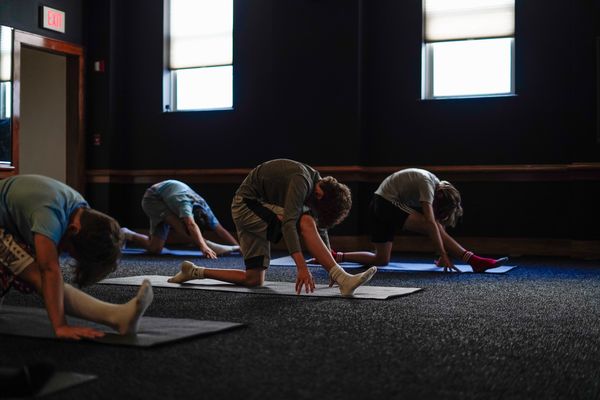
How to Prevent Youth Sports Injuries | Injury Prevention Training
Youth sports injuries are on the rise — but most are completely preventable with the right training, recovery, and movement education. At The Ave, our certified trainers specialize in helping young athletes move better, stay healthy, and perform at their best through structured injury prevention programs.
The Most Common Youth Sports Injuries
Across all sports, the same types of injuries tend to appear over and over. Some of the most frequent include:
• Ankle sprains from cutting, jumping, or quick changes of direction
• Knee injuries like ACL tears or patellar tendinitis from poor landing mechanics
• Shoulder injuries from repetitive throwing or overhead motions
• Lower back pain caused by weak core stability or improper lifting technique
• Muscle strains from inadequate warm-up, fatigue, or overuse
Why Young Athletes Get Injured
Youth athletes are in a crucial stage of growth — physically, hormonally, and neurologically — and that makes them more prone to injury when certain habits or patterns go unchecked.
more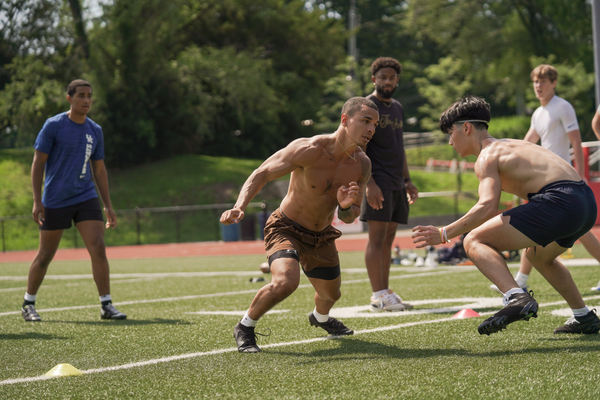
Speed Training for Youth Athletes | Explosive Performance Development
Speed is the ultimate advantage in youth sports. Whether your athlete plays football, lacrosse, soccer, basketball, or track, being faster creates game-changing opportunities. At The Ave in Greenwich, CT, our youth speed programs build explosive acceleration, top-end sprint speed, and elite multi-directional quickness through science-backed training and sport-specific coaching.
Here’s how we help young athletes become noticeably faster, healthier, and more dominant on the field.
1. Speed Is Trainable — Not Just Genetic (With Fascia Performance Training)
Speed is not fixed. With the right training, athletes can dramatically improve. Our programs focus on the full speed system—muscular, neurological, and fascial—to unlock real gains through:
• Sprint mechanics optimization for efficient, powerful movement
• Plyometric training to increase elastic power
• Neuromuscular activation to enhance muscle firing patterns
• Fascial elasticity training (A-skips, pogo hops, bounds) to create more recoil and bounce
• Acceleration drills to develop explosive first-step speed
more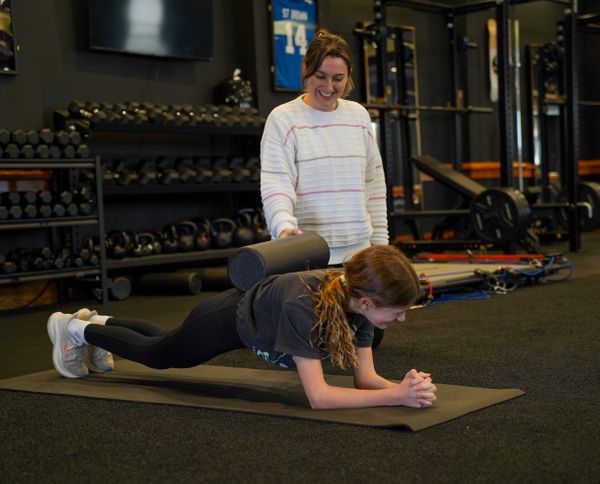
Why Girls Performance Training Matters More Than Ever
As more girls take the field, court, or track, the need for dedicated female athletic performance training has never been greater. At The Ave in Greenwich, CT, we believe girls deserve the same performance resources and training intensity as any athlete — but also programs designed specifically for their development, movement patterns, and confidence.
Here’s why girls’ athletic training is so important — and how it benefits them both in and out of sport.
1. Building Confidence Through Strength
Strength training isn’t just about lifting weights — it’s about building self-belief. When girls see their power increase through structured training, their confidence grows both on and off the field. At The Ave, our performance programs emphasize empowerment through physical and mental strength, helping young female athletes take pride in their progress.
2. Reducing Injury Risk with Smarter Training
Girls face unique physical challenges in sports, including higher risks of ACL and knee injuries. Our injury prevention and stability programs target balance, hip control, and landing mechanics, ensuring athletes move safely and efficiently. With proper strength and conditioning, girls can play hard while reducing the risk of common overuse or structural injuries.
more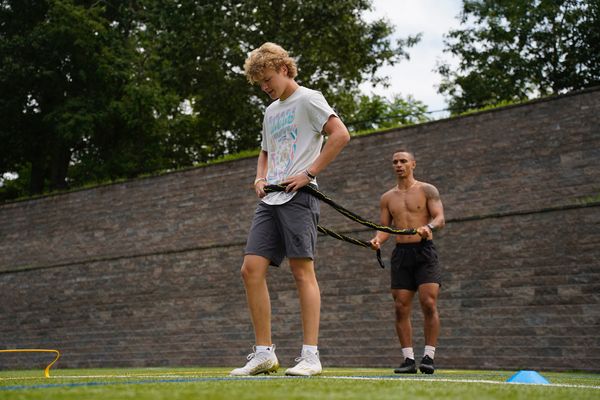
Why Multi-Sport Athletes Excel—How Targeted Performance Training Gives Them the Edge
Every athlete develops differently—but one of the biggest questions parents and coaches face is whether kids should specialize in a single sport or play multiple. At The Ave, we train both single-sport and multi-sport athletes in Greenwich, CT, and know exactly how performance training helps each group maximize their potential. Here’s how tailored athletic development benefits every athlete—no matter their path.
1. Multi-Sport Athletes Build Better All-Around Athleticism
Athletes who play multiple sports develop diverse movement patterns, coordination, and adaptability. A soccer player who also runs track or plays basketball learns how to move efficiently in different directions and environments. At The Ave, our performance training enhances this versatility by improving speed, strength, and reaction time—key for excelling across sports.
2. Single-Sport Athletes Gain Precision and Power Through Focused Training
Specializing in one sport allows athletes to fine-tune specific skills, but it also increases the risk of repetitive stress injuries or overuse. Our targeted performance programs help single-sport athletes build balanced strength and improve durability, ensuring they can train harder and stay healthy throughout long seasons.
more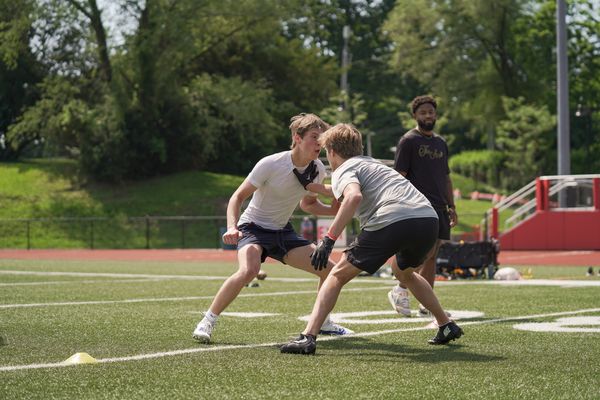
Signs Your Young Athlete Needs Performance Training
Every parent wants their child to succeed in youth sports, but how do you know when it's time to invest in professional athletic performance training? Here are five clear signs your young athlete is ready to take their game to the next level with sports performance training.
1. They've Hit a Performance Plateau in Their Youth Sport
If your Greenwich athlete has been working hard but isn't seeing improvements in speed, strength, or overall athletic performance, they may need structured, sport-specific training. At The Ave, Greenwich's premier youth athletic training facility, our certified trainers, identify exactly what's holding young athletes back and create targeted performance training programs to break through those barriers.
2. They're Serious About High School and College Sports
When your child starts talking about playing high school sports, college athletics, or beyond, it's time to get serious about performance training in Greenwich, CT. Performance training builds the athletic foundation young athletes need to compete at higher levels and stand out to high school coaches and college scouts in Connecticut.
3. They're Getting Frequent Youth Sports Injuries
more