
The Role of Agility in Youth Athletic Development
Speed gets the attention. Strength gets the highlight reel. But agility is what separates good athletes from great ones.
Agility is the ability to start, stop, and change direction quickly — while staying in control. It shows up in every sport, every practice, and every game situation.
What Agility Actually Is
Agility isn't just moving fast. It's moving fast with purpose. It combines:
- Reaction time
- Footwork and coordination
- Body control at high speed
- Decision-making under pressure
Together, these qualities allow athletes to stay a step ahead — and stay on their feet.
Why It Matters for Young Athletes
Developing agility early gives athletes:
- Better coordination in chaotic situations
- Faster reaction to opponents and the ball
- Improved confidence moving in all directions
- A lower risk of non-contact injuries
- A foundation that carries into every sport they play
The athletes who look "naturally quick" often just developed these movement patterns earlier.
Where Athletes Break Down
Without agility training, athletes tend to:
- Slow down before every direction change
- Plant and cut with poor mechanics
- React late to game situations
- Get beaten on first-step quickness
These aren't talent issues. They're training gaps.
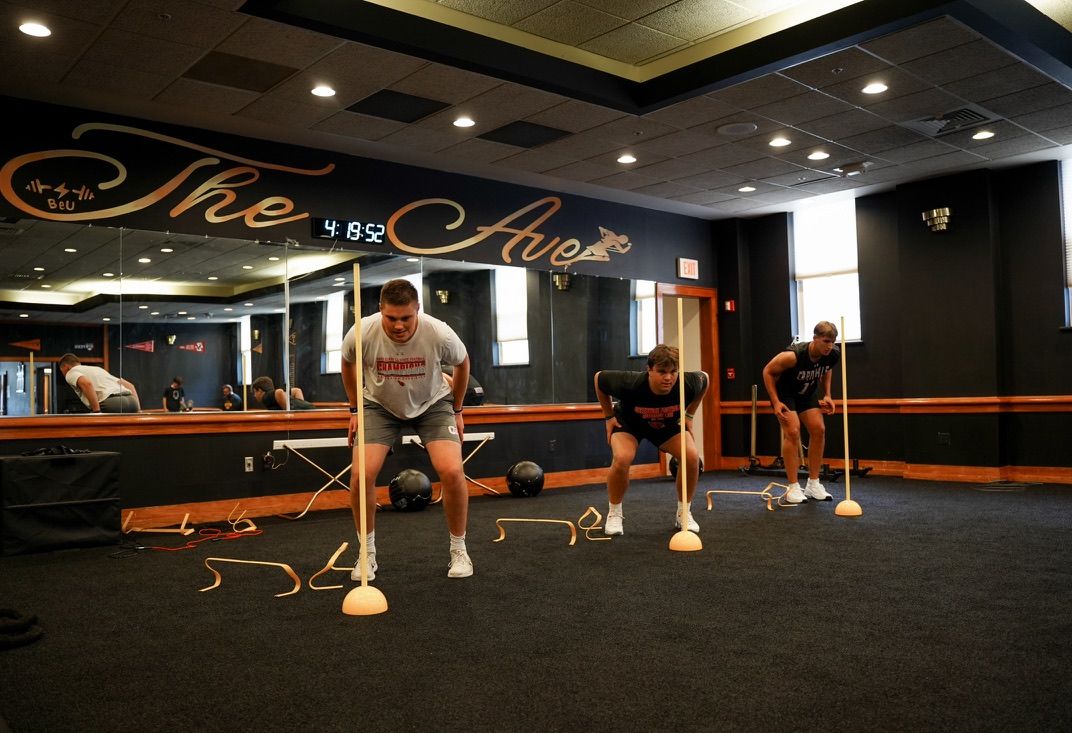
How The Ave Develops Agility
We train agility through:
- Ladder and cone drills with intention
- Reactive starts and stops
- Multi-directional movement patterns
- First-step acceleration work
- Game-speed decision-making drills
We don't just run athletes through drills. We teach them why each movement matters and how it connects to the field.
Final Thoughts
The game moves fast. Athletes need to move faster — and smarter. Agility is a skill. It's trainable. And it pays off at every level.